
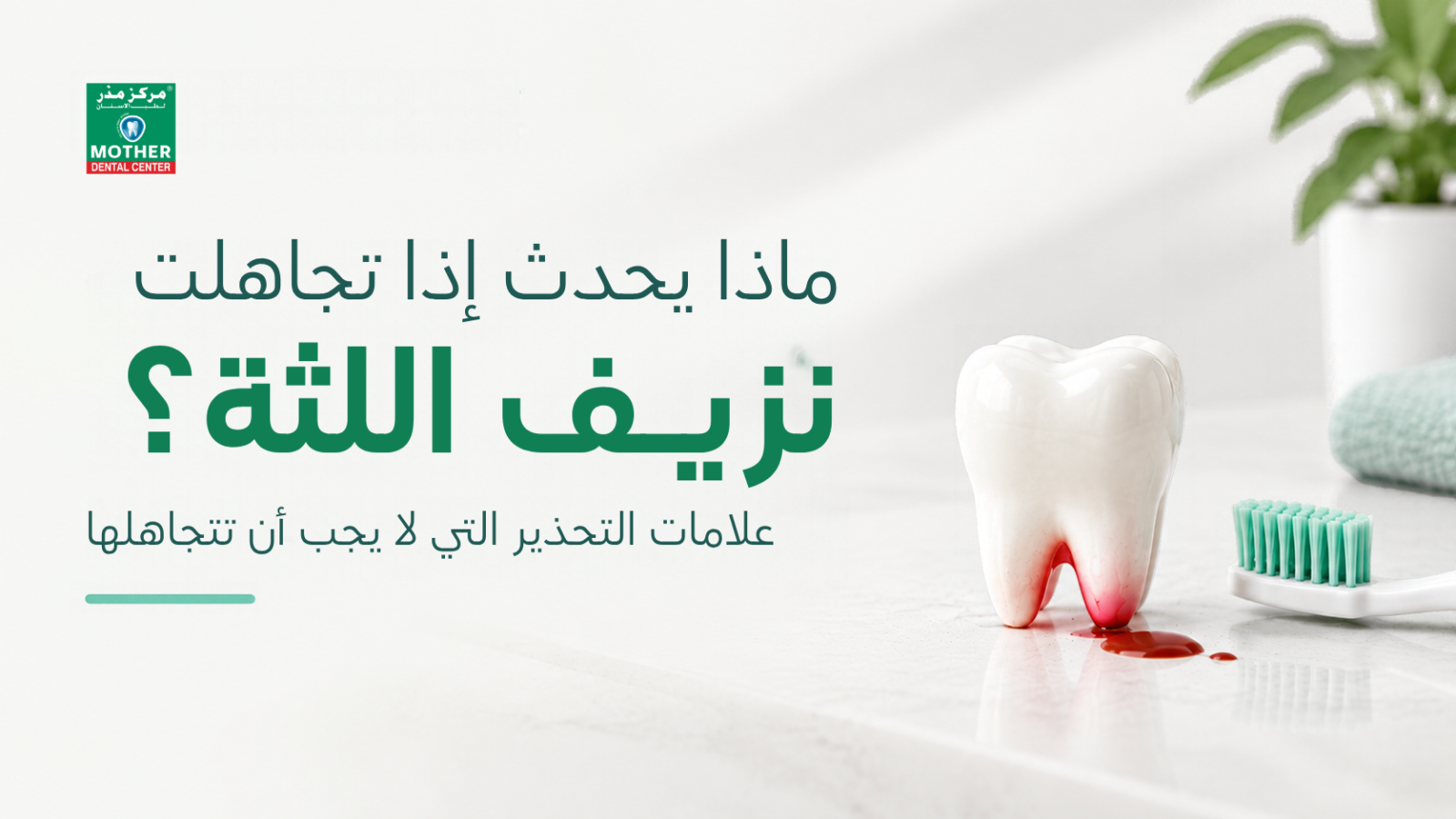
If you ignore bleeding gums, the problem usually gets worse. Early gum inflammation can turn into gum disease that damages the bone holding your teeth. In the worst case, teeth become loose and fall out.
The good news is that bleeding gums are often easy to fix early. This guide shows what can happen if you wait, the warning signs to watch for, and what to do next.
Are Bleeding Gums Normal?
No. Healthy gums don’t bleed when you brush or floss. Bleeding means your gums are inflamed. It isn’t always serious, but it always needs attention.
What Happens If You Ignore Bleeding Gums?
Gum problems build in stages. How fast this happens differs from person to person.
Stage 1: Gingivitis
Plaque, a sticky film of bacteria, hardens into tartar. Your gums turn red and puffy, and bleed easily. There’s usually no bone damage yet. A professional cleaning and better home care can often reverse it. This is the best time to act. Fixing it now is simpler and less painful than later.
Stage 2: Periodontitis
The infection spreads below the gumline. Gums pull away from your teeth, and the bone holding them starts to wear down. Treatment can control this stage, but lost bone doesn’t grow back on its own.
Stage 3: Loose teeth and tooth loss
So much bone is lost that teeth loosen. Some need to be removed. Treatment at this stage is harder, longer and costlier than fixing early inflammation.
Warning Signs You Shouldn’t Skip
Early signs
- Bleeding when you brush or floss
- Red, swollen or tender gums
- Bad breath or a bad taste that won’t go away
Later signs
- Gums pulling back, so teeth look longer
- Pus between your teeth and gums
- Loose or shifting teeth, or a changed bite
See a dentist soon if you have swelling, pus, loose teeth, or bleeding with a fever. If bleeding won’t stop, read our guide on handling dental emergencies.
Why Do Gums Bleed?
Usually it’s plaque and tartar along the gumline. Other causes include brushing too hard, starting to floss after a long break, pregnancy and hormonal changes, some medicines such as blood thinners, smoking, and health conditions such as diabetes. A little bleeding after you restart flossing is common and should settle soon. Bleeding that returns or lasts needs a dentist. A dentist can find the cause, so mention any medicines you take.
What to Do Now and How to Prevent It
- Keep cleaning. Don’t stop. Skipping the bleeding area lets plaque build up. Brush gently twice a day with a soft brush and fluoride toothpaste, in small circles along the gumline.
- Clean between your teeth daily. Floss or use interdental brushes. A toothbrush can’t reach these spaces.
- Cut back on sugary snacks and drinks, and don’t smoke. Sugar feeds plaque. Smoking raises your risk of gum disease.
- Tell your dentist about your health, such as diabetes, pregnancy and medicines. These can affect your gums.
- Get regular cleanings. Only a dentist can remove tartar. Most people need one about every six months. If you’ve had gum disease, you may need them more often. See professional teeth cleaning.
- Don’t wait for pain. Early gum disease is often painless, so waiting for pain means waiting too long.
What a Dentist Will Do
The dentist checks your gums and teeth, then removes plaque and tartar. This is called scaling. If tartar is below the gumline, they may suggest a deeper clean, which can take more than one visit. They also show you how to clean better at home. If you’re nervous, read what to expect at a teeth cleaning appointment in Ajman
Gum Care at Mother Dental Center, Ajman
Our periodontal care includes exams to find and treat gum disease, from simple irritation to more serious problems. We look at the cause of your bleeding, not just the symptom. Your visit is simple:
- We listen to your concerns and ask about your health and medicines.
- We examine your gums and teeth.
- We explain what we find in plain words, and give you a clear plan and price before any treatment starts.
Ground Floor, Tech Tower, near Grand Mall, Al Rashidiya-3, Ajman
Phone: +971 6539 6555 | WhatsApp: +971 52 736 3399
Book a Gum Check in Ajman
Bleeding gums are easier to treat early. Book a consultation at Mother Dental Center. The dentist will check your gums, explain the cause, and give you a clear plan and price first. No pressure.
The Bottom Line
Bleeding gums are a warning, not a nuisance. Caught early, the fix is usually a cleaning and better habits. Left alone, it can cost you teeth. If your gums bleed, don’t wait for pain. Get them checked.
Add a Comment