Written By: Department of General Dentistry
Reviewed By: Specialist Endodontist
Last Updated: August 2026 | Read Time: 5 mins
Do you feel a sudden, sharp pain when you drink cold water, eat ice cream, or sip a hot cup of tea? If yes, you are not alone. It’s one of the most common complaints dentists hear and in most cases it is easy to treat once you know what’s causing it.
In this guide, we’ll walk you through why teeth become sensitive, the symptoms to watch for, and the treatments that actually work.
What Is Tooth Sensitivity?
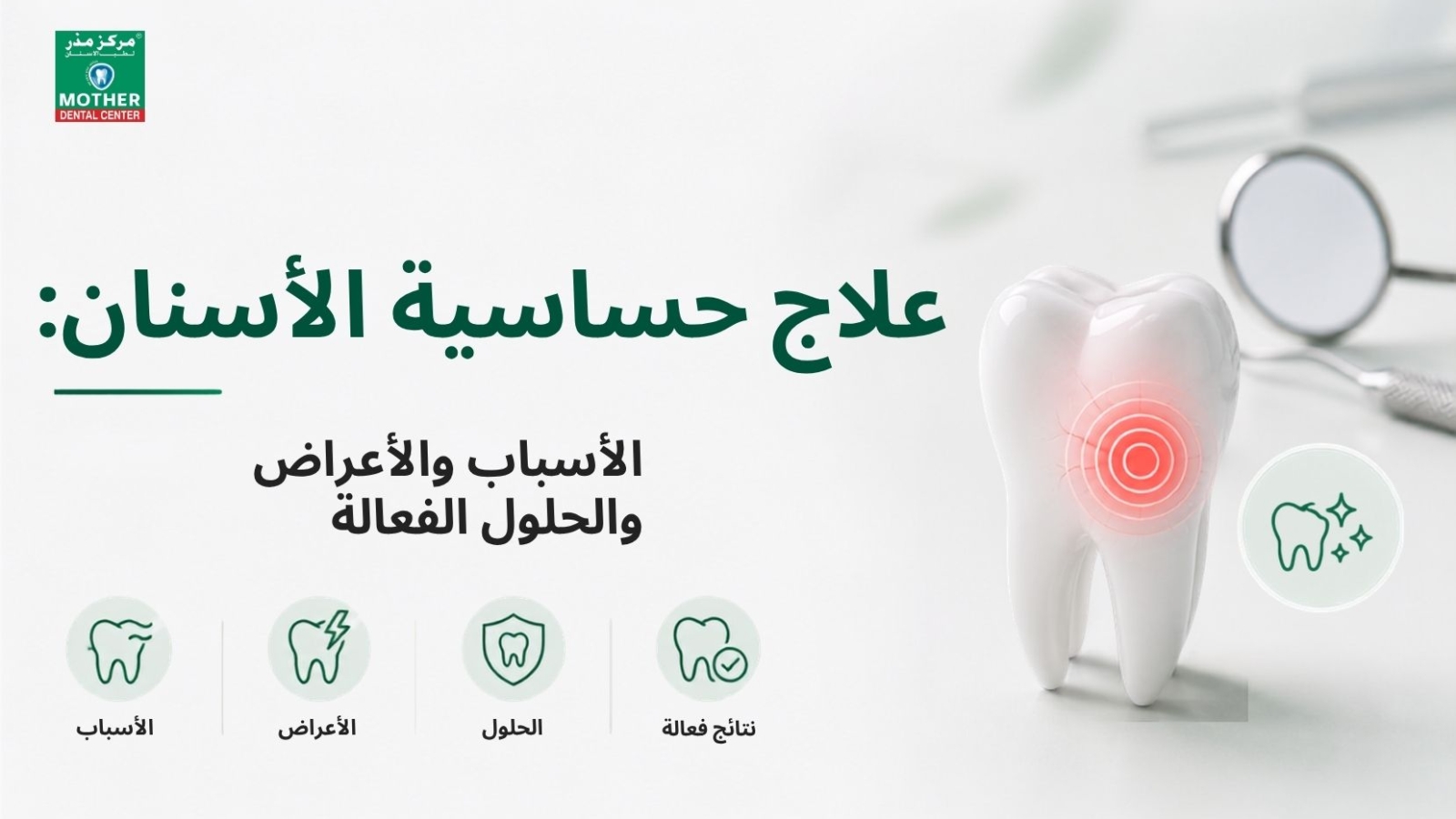
Tooth sensitivity happens when the enamel protecting your teeth wears down, or your gums pull back and expose the tooth root underneath. This leaves the inner layer of the tooth open, so hot, cold, sweet, or sour can trigger a sudden, sharp pain.
It can affect just one tooth or several, and for some people even a cold breeze is enough to set it off.
Causes of Tooth Sensitivity
Worn enamel
Brushing too hard, using a hard-bristled brush, or grinding your teeth at night all wear enamel down over time.
Gum recession
Gum disease or aggressive brushing can cause gums to pull back, exposing the root — which has no enamel at all.
Decay
A cavity is a direct line to the nerve. This is usually the sharpest, most localized kind of sensitivity.
Cracked or chipped teeth
Even a hairline crack lets temperature and bacteria reach places they shouldn’t.
Grinding (bruxism)
This often happens during sleep, so people don’t realize it’s happening until enamel is already worn down.
Acidic food and drink
Citrus, soda, wine frequent exposure erodes enamel gradually.
Whitening products
Some people are simply more prone to short-term sensitivity from whitening, even with over-the-counter products.
Symptoms of Tooth Sensitivity
Tooth sensitivity can show up differently from person to person, but the most common signs include:
- A sharp, sudden pain when eating or drinking something hot or cold
- Discomfort while eating sweet or sour foods
- Pain when brushing or flossing
- Sensitivity to cold air, especially while talking or breathing through your mouth
- Mild lingering ache after the trigger is gone
If the pain is severe, lasts for more than a few seconds, it could point to a deeper issue like an infection, and you should see a dentist rather than waiting it out.
Effective Treatments for Tooth Sensitivity
The right treatment depends on what’s causing your sensitivity. Here are the most effective, dentist-recommended options:
Desensitizing Toothpaste
Special toothpaste formulated for sensitive teeth can block the pathway between the tooth surface and the nerve. It usually takes a few weeks of consistent use to notice the difference.
Fluoride Treatment
A dentist can apply fluoride gel or varnish directly to the sensitive areas. This strengthens enamel and reduces how easily pain signals reach the nerve.
Dental Bonding or Sealants
If sensitivity is caused by exposed root surfaces or minor enamel loss, a dentist can apply a bonding material to cover and protect the area.
Gum Graft
For sensitivity caused by gum recession, a small graft of tissue can be used to cover the exposed root, protecting it and reducing pain.
Fillings or Crowns
If a cavity, worn filling, or a flaw in the tooth is causing the sensitivity, restoring the tooth with a filling or crown resolves the underlying problem.
Root Canal Treatment
In cases where sensitivity is severe, persistent, and doesn’t respond to other treatments, a root canal may be recommended as a last resort to permanently eliminate the pain.
Mouth Guard for Teeth Grinding
If grinding is the cause, a custom night guard protects your enamel from further wear while you sleep.
How to Prevent Tooth Sensitivity
You don’t have to just manage sensitivity, you can actually reduce how often it happens. Here’s how:
- Use a soft-bristled toothbrush and brush gently, in circular motions rather than side to side
- Choose a fluoride toothpaste made for sensitive teeth
- Avoid brushing immediately after eating or drinking acidic foods wait about 30 minutes
- Cut down on acidic and sugary foods and drinks, or rinse with water afterward
- Ask your dentist about a night guard if you grind your teeth
When Should You See a Dentist?
Mild, occasional sensitivity is often manageable with the right toothpaste and habits. But you should book an appointment if:
- The pain is sharp, severe, or doesn’t go away
- You notice swelling, visible decay, or a cracked tooth
- The pain keeps coming from the same single tooth every time
These signs often mean there’s an underlying issue that needs professional treatment rather than just a desensitizing toothpaste.
Why Choose Mother Dental Center for Your Tooth Sensitivity Treatment
At Mother Dental Center, we don’t just treat the symptom — we find out exactly what’s causing your sensitivity before recommending a solution, so you get lasting relief instead of a temporary fix. Whether it’s a simple fluoride application, a filling, or a root canal, your treatment plan is built around what your tooth actually needs, using modern tools designed to keep the process comfortable.
Our dentists take the time to explain what’s going on with your teeth. As one of trusted dental clinics in Ajman, we’ve helped patients resolve sensitivity ranging from mild to severe. Also, we make sure you leave knowing exactly how to prevent it from returning.
Don’t let sensitive teeth stop you from enjoying your favourite food and drinks. Book an appointment with Mother Dental Center in Ajman today and get lasting relief.